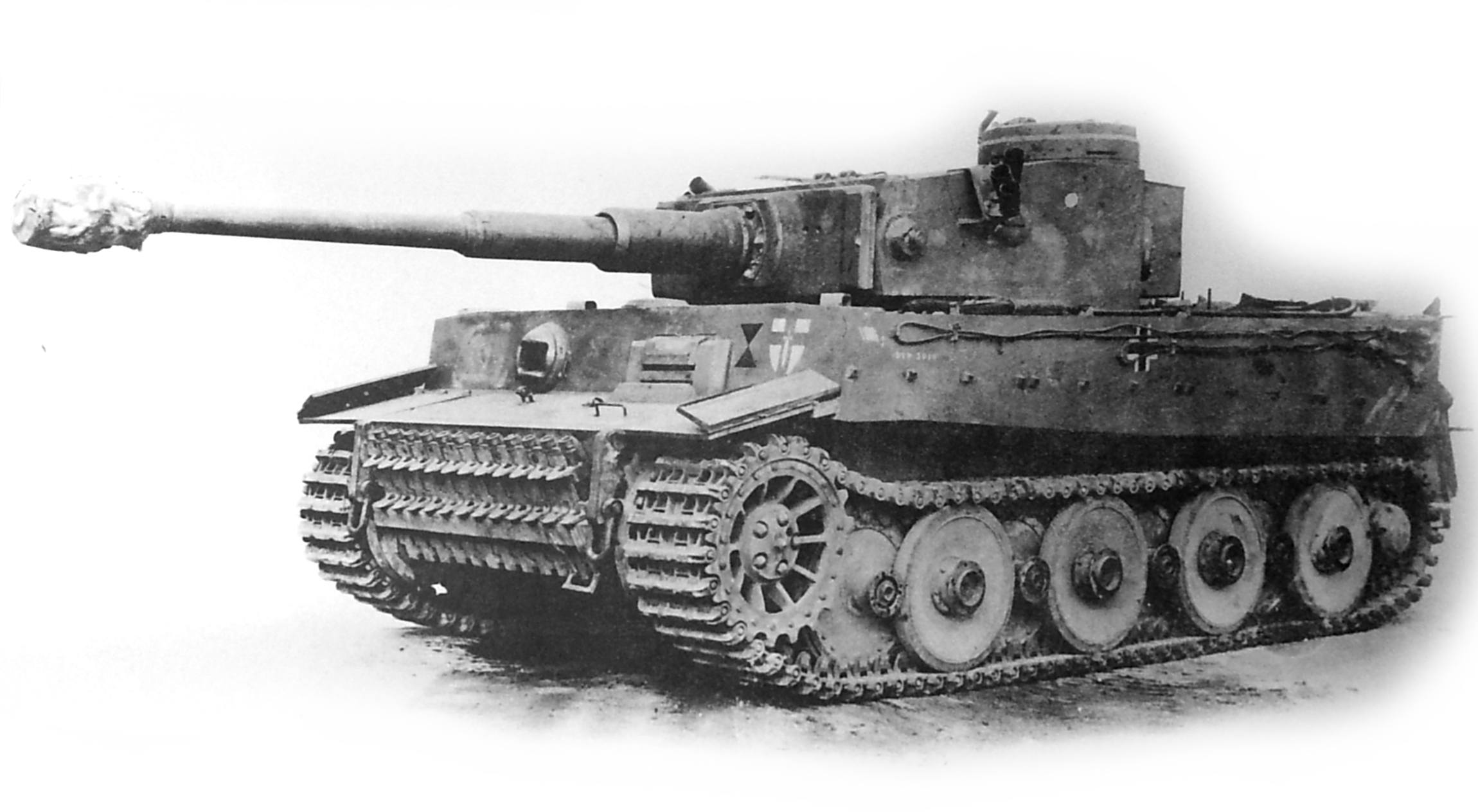
There is a common misconception that the Soviet army had no regard for the conditions of its crew. This is provably false. Just as with the US army, the Red army had a medical service, which would evaluate the user-friendliness of its equipment. Tanks were no exception. For instance, the Object 240, the precursor of the IS-2 tank, was put through thorough testing by the medical service, and the faults that were discovered were corrected by the time the tank reached mass production.
"Conditions of servicing of the 122 mm D-25 gun in the IS tank
1. The D-25 gun is installed in the turret of the IS tank.
The fighting compartment has the following dimensions: turret ring diameter: 1800 mm, height in the rear part: 1520 mm, height in other parts: 1580 mm.
The height of the fighting compartment is insufficient for free work by standing people. The turret crew stands in a slouched over pose.
The short height of the fighting compartment is due to the metal crates with ammunition on the floor. The crates are covered in rubber and used as the floor of the fighting compartment.
To better evaluate the dimensions of the fighting compartment, they should be compared with those of the IS tank armed with a D-5 85 mm gun. With the same sized turret, the gun takes up much more space, which reduces crew comfort.
The width of the gunner's station is reduced by 60 mm (to 650 mm) and the breech operator by 30 mm (to 660 mm). It is narrow, but possible to work.
The distance between the deflector and the rear of the turret was 450 mm for the D-5 and is 200 mm for the D-25. It is not possible to pass behind the gun. It is also uncomfortable to load, since the casing does not fit into this opening and catches onto the rear ammunition rack. When inserting it the loader has to aim (make additional careful motions).